Imagine moving into your new apartment and standing in front of an empty kitchen space. Your interior designer asks a simple question:
“Do you want an L-shaped kitchen or a U-shaped kitchen?”
SUDDENLY, YOU PAUSE.
You realise you’ve never really thought about KITCHEN SHAPES before.
This situation happens to many homeowners. People invest a significant amount of money designing their homes, but they often don’t fully understand the basic kitchen layouts that affect daily cooking, movement, and storage.
The kitchen is no longer just a cooking area. It has become:
Understanding kitchen layouts helps homeowners make smarter decisions when working with architects and interior designers. Even basic knowledge allows you to ask the right questions and ensure your kitchen functions smoothly.
The good news is that you don’t need a design degree to understand the essentials. Once you know the basic kitchen layouts and how they work, you can confidently participate in the design process.
Before exploring different kitchen shapes, there is one important concept that designers always follow.
The work triangle connects three essential areas in every kitchen:
A well-planned kitchen places these three points in a triangular layout. This reduces unnecessary movement and makes cooking much more efficient.
Design experts generally recommend:
When the triangle is balanced, cooking becomes faster, safer, and more comfortable.
Different homes require different kitchen layouts. The best layout depends on available space, cooking habits, and lifestyle.
Here are the most common kitchen shapes used in modern homes.
An L-shaped kitchen uses two walls that meet at a corner, forming the shape of the letter “L”.
This is one of the most common kitchen layouts found in modern apartments and houses.
Because it only uses two walls, this layout works extremely well in open-plan homes, where the kitchen flows into the living or dining area.
A U-shaped kitchen uses three walls of cabinets and counters. The cook stands in the middle while workspaces surround them on three sides.
Because everything is within reach, many professional chefs prefer this layout.
However, it requires a medium to large kitchen area to avoid feeling cramped.
A galley kitchen features two parallel countertops with a walkway between them. This design is similar to the kitchens used on ships, which is why it’s called “galley.”
Because everything is close together, this layout is one of the most efficient designs for compact kitchens.
A single-wall kitchen places all cabinets, appliances, and counters along one wall.
Everything—sink, stove, refrigerator, and storage—is arranged in a straight line.
However, since everything sits on one wall, counter space and storage are limited.
An island kitchen includes a freestanding counter placed in the centre of the kitchen.
The island can serve several purposes:
Many modern homes combine L-shaped or U-shaped layouts with a central island.
This creates a stylish and highly functional kitchen environment.
A peninsula kitchen is similar to an island, but instead of standing alone, one side connects to a wall or cabinet.
It works like a semi-island, offering extra counter space while saving room.
Choosing the right layout depends on more than just appearance. A good kitchen design should support daily routines and make cooking comfortable.
Here are three important factors to consider.
Small kitchens work best with galley or single-wall layouts.
Medium spaces often suit L-shaped or peninsula kitchens, while large homes can support U-shaped or island kitchens.
People who cook frequently usually need:
For this reason, U-shaped kitchens are often preferred by serious home cooks.
If the kitchen is a social space where friends and family gather, layouts with islands or open designs work very well.
| Kitchen Layout | Space Needed | Best For | Pros | Cons |
| L-Shape | Medium | Open homes | Flexible and efficient | Corner storage challenge |
| U-Shape | Large | Frequent cooking | Maximum storage | Needs a larger space |
| Galley | Small | Apartments | Very efficient | Narrow walkway |
| Single Wall | Very Small | Studios | Simple design | Limited storage |
| Island | Large | Social kitchens | Extra workspace | Requires a large area |
| Peninsula | Medium | Compact homes | Additional counter | Less movement space |
Even beautiful kitchens can become frustrating if planning mistakes are made early.
If the refrigerator, sink, and stove are too far apart, cooking becomes inefficient and tiring.
Many kitchens focus on appearance but ignore preparation areas.
Without enough cabinets and drawers, utensils quickly become cluttered.
Cooking areas require task lighting, not just decorative lights.
Understanding these mistakes helps homeowners design kitchens that are both practical and comfortable.
A well-designed kitchen usually includes three types of lighting:
Combining these ensures the kitchen is both practical and visually appealing.
Experienced designers often say:
A kitchen should be designed around how people move, not just how it looks.
Think about the natural cooking process:
When these steps flow smoothly, the kitchen becomes significantly more efficient.
While the layout determines the structure of the kitchen, modern hardware solutions can greatly improve usability.
Features such as:
help maximise space and keep utensils organised.
Today, many modern kitchen hardware brands focus on creating solutions that make everyday kitchen tasks smoother and more efficient, regardless of the chosen layout.
The best kitchen layout is not always the most expensive or the most stylish.
It is the one that fits your:
By understanding basic kitchen layouts such as L-shaped, U-shaped, galley, island, and peninsula kitchens, homeowners can communicate better with designers and make more informed decisions.
A thoughtfully designed kitchen doesn’t just improve cooking.
It improves how your entire home functions every single day.
Most designers recommend at least 36 to 48 inches of clearance around a kitchen island to allow comfortable movement. Because of this requirement, island kitchens usually work best in larger kitchens or open-plan homes.
A modular kitchen offers organised storage, efficient space usage, and modern hardware systems such as pull-out drawers and soft-closing cabinets. While traditional kitchens can also work well, modular systems often improve convenience and accessibility.
To maximise storage in a small kitchen, consider:
Smart storage solutions help keep kitchens organised without increasing space.
Yes, kitchen layouts can often be changed during renovation. However, major changes may require adjustments to plumbing, electrical lines, and ventilation systems. Consulting an experienced designer or contractor is recommended before making structural changes.
Experts suggest having at least 158 inches of total countertop space in a functional kitchen. This space should be distributed around the sink, stove, and preparation areas to support smooth cooking tasks.

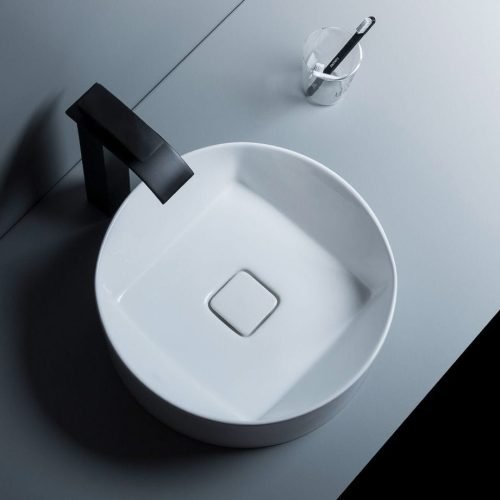
Your home cannot be complete without a functional, well-structured, and aesthetic wash basin. If you
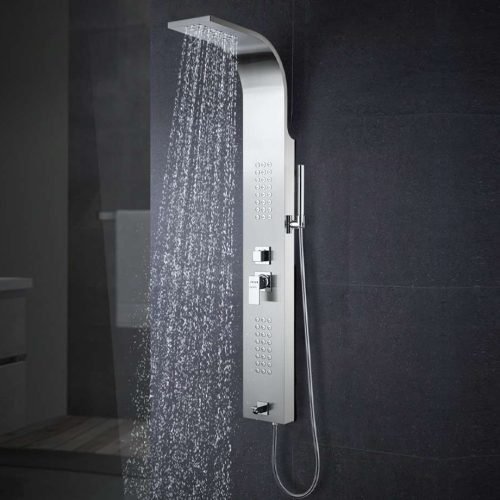
Taking a refreshing bath plays a key role in making your day exciting and beautiful.
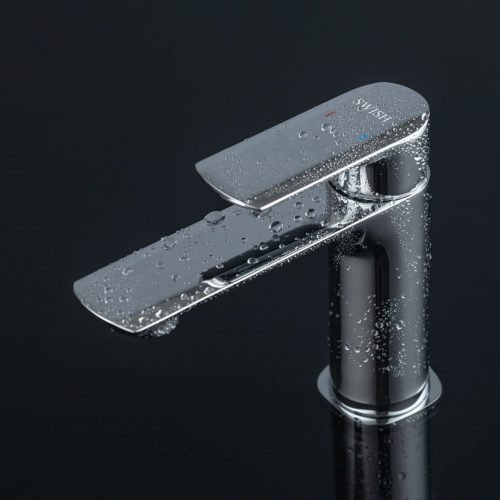
When you choose to buy a luxury bathroom faucet, there are a lot of things
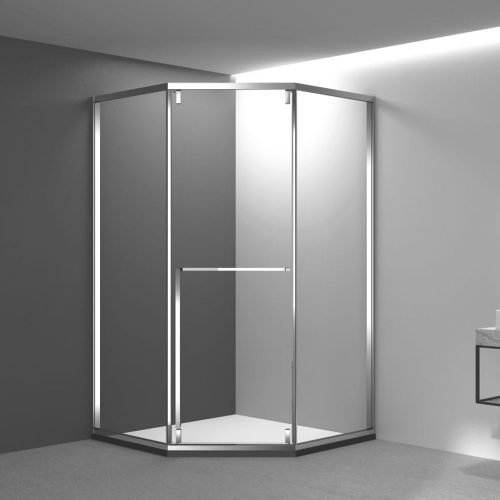
“A smart bathroom incorporates the latest and greatest in technology to increase its usability,” says
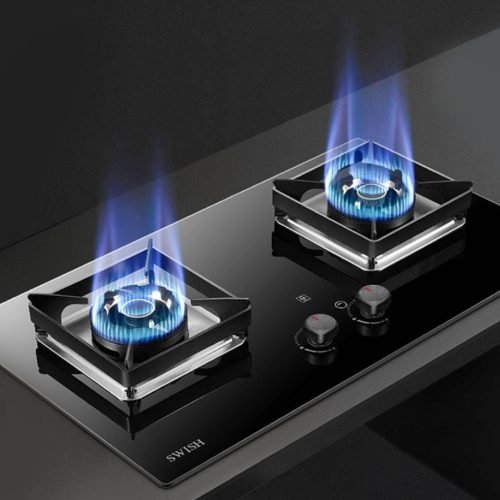
A smart kitchen is designed to increase cooking efficiency and decrease the amount of time
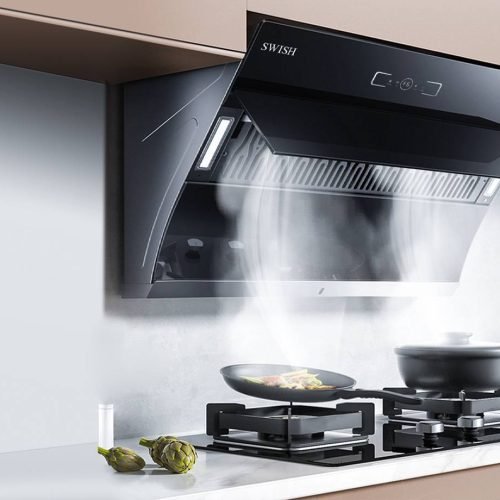
Luxury kitchens are becoming increasingly popular as homeowners strive to create a comfortable and stylish